Paylaş
Along with door and window sensors, motion detectors support the security of any alarm system, making it more effective. When the location of the motion detector is properly determined, it can cover large areas of the house. By placing the sensors and detectors correctly, you can elevate the security of your home. For example, when burglars enter your home through different methods and manage to bypass the sensors, the detectors come into play. When the motion detector's position is set correctly, it can help catch burglars off guard at unexpected moments.
By carefully positioning the motion detector, you can enhance the security of your home. Instead of placing the detectors randomly around the house, you can achieve more efficient use by positioning them in the right areas. Although entry points are always important areas to consider, it may not always be possible to predict where burglars will enter your home. Therefore, when determining the position of a motion detector, you may need to think a little differently.
It is recommended to consider other points of the house when determining the position of the motion detector. For instance, hallways are one of the areas that require attention. Burglars must pass through hallways to move around inside the house, and by securing these areas, you can detect any movement within your home. Similarly, if your home has stairs, you can use these areas as well. By securing common passage areas with motion detectors, you can take advantage of the benefits of these products and protect your living space as you desire.
Where to Install Motion Detectors?
Motion detectors can be installed in many different areas of the house. To enhance the security of your home and benefit from the assurances that the products provide, you should install them in the right areas within your living spaces. Here are some areas where motion detectors can be installed effectively:
- Entry Points: Start by considering the entry points of your house for the motion detector placement. Areas like the entrance hall are often chosen for detector installation. These are common areas where people trying to break into the house must pass, making them ideal spots for motion detectors.
- Bedrooms: If a burglar enters your home, they often aim to enter bedrooms. Bedrooms are commonly where valuable items or important possessions are kept, making them a primary target for burglars. By placing motion detectors near bedroom entrances or close to your wardrobes, you can protect these critical areas of your home.
- Corners of Rooms: When determining where to place a motion detector in a room, it's recommended to consider the corners. Installing detectors in corners that face the entrance of a room can help you cover the entire space. This positioning allows the detector to focus on the center of the room, thus enhancing the protection of your living space.
- Above Doors: The upper part of doors can also be a good choice for motion detectors, especially if you are looking to protect a smaller room. Consider positioning the detector above the door to enhance the security of the room.
Motion Detectors in Workplaces
Motion detectors are also commonly used in workplaces. If you run a business that deals with valuable goods, such as a jewelry store, motion detectors can help protect your premises. After installing door and window sensors in your business, you might also consider placing motion detectors around the cash register. This way, even if burglars enter through different routes, the motion detector will alert you when they reach the cash register. By acting quickly, you can notify the authorities and prevent potential losses.
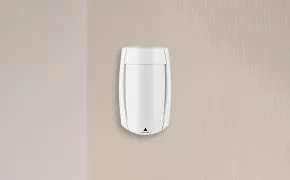
To prevent theft of goods in your workplace, it's important to place motion detectors in areas that cover a larger area. Before deciding on the installation, make sure to review the detection range of the detectors you purchase. For example, some detectors have a coverage area of 11m x 11m with a 88.5º view angle. Considering the detection range and the view angle, you can perform the installation effectively.
By properly positioning motion detectors in your home or workplace, you can protect your property and take proactive steps to prevent future incidents.
Where Not to Install Motion Detectors?
While motion detectors offer many benefits in preventing theft, you must ensure they are placed in the right areas to make the most of these advantages. Here are some areas where you should avoid installing motion detectors:
- Bathrooms: Motion detectors are not recommended for bathrooms. Instead, place your detectors in areas with higher movement, such as hallways or common rooms.
- Near Heat Sources: Motion detectors should not be placed near heat sources, such as radiators or electric heaters, as they may disrupt the sensor's ability to detect movement.
- Near Ventilation Systems: Installing detectors near ventilation system outlets is not advisable, as the airflow may cause fluctuating movements that the detectors may incorrectly interpret.
- High Vibration Areas: Similarly, areas with high vibrations should not be used for motion detector installation, as this could lead to inaccurate results.
Each motion detector model comes with different features, so it's important to carefully review the specifications, such as detection range, before installation. By paying attention to these details, you can install the detectors in the most effective areas. You can secure your living or workspaces effectively by purchasing motion detectors from Kale Kilit and positioning them correctly to maximize protection.
 E-Bülten Üye Olun!